
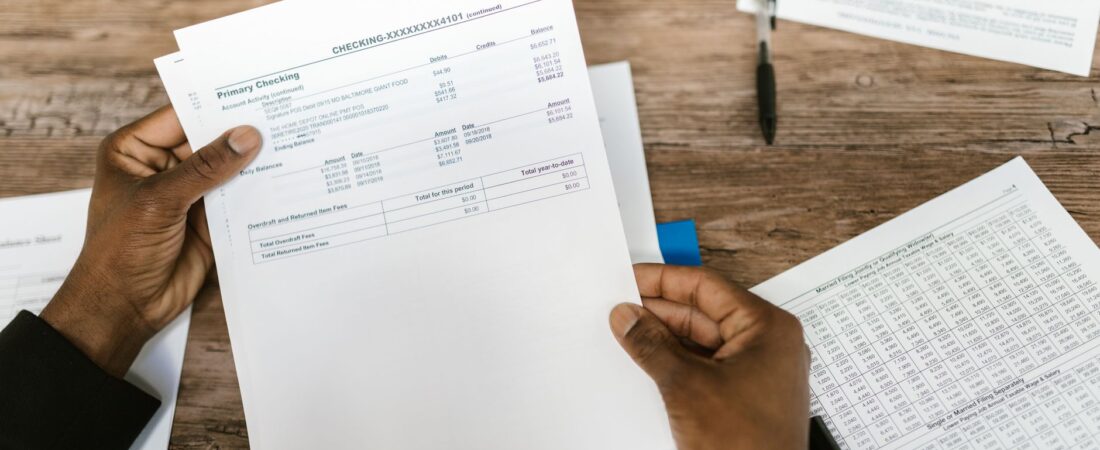
A bank statement review is simply looking back over what you’ve actually spent, without judgment, so you can see where your money genuinely went.
That’s it. No spreadsheets, no shame, no lecture. Just a quiet look at the last month of your life told through transactions.
If the thought of opening your banking app makes your stomach drop a little, you’re not alone. Cost of living has climbed everywhere, groceries feel heavier every fortnight, and rent or repayments don’t seem to be slowing down. It makes sense that checking your balance can feel like checking a scoreboard you’re losing. But your statement isn’t judging you. It’s just a record. And records can be read calmly.
Why Looking at Your Statement Feels So Uncomfortable
Money stress tends to make people avoid the very thing that would help them feel better. It’s a strange loop, worrying about money and avoiding the numbers because the worry itself feels too heavy to face.
Behavioural researchers call this the ostrich effect, and it’s well documented, people are far more likely to check investments on days the market is up than on days it’s down. The same pattern shows up with everyday banking. We check when we expect good news and avoid it when we don’t.
The problem is that avoidance doesn’t actually protect you. It just means small issues, a forgotten subscription, a fee that crept in, a habit that quietly grew, get to keep going unnoticed. A proper look at your statement isn’t about catching yourself out.
It’s about giving yourself information you can actually use. Once you see it in black and white, most people feel relief, not dread. The unknown is almost always scarier than the actual number.
What Your Spending Patterns Are Actually Telling You
Your statement is basically a diary written in transactions. Late-night takeaway orders might be telling you dinner planning has slipped, not that you’ve failed at anything. A subscription you don’t remember signing up for is telling you it’s time for a quick audit, not that you’re careless with money. A pattern of small withdrawals might be telling you cash is easier for you to track than card taps.
None of this is about restriction. You’re allowed to have treats, nice dinners, things that make your life feel good. The point of a bank statement review is noticing what’s actually happening so the choices you make are the ones you’d choose on purpose, not the ones that happened by default.
If you want a deeper look at where the money actually goes each pay cycle, this piece on where your money actually goes walks through it well.
How to Do a Bank Statement Review Without the Dread
Start small. Pick one month, not your whole financial history. Open the statement and just read it top to bottom once before you do anything else. Don’t categorise yet, just get familiar with it again.
Second pass, look for the things that repeat. Same coffee spot three times a week, same streaming service, same late fee. Repeats are where the easy wins live, because changing something once is hard but changing something you do daily has more room to move.
Third, hunt for anything you don’t recognise or forgot existed. Old subscriptions are incredibly common, and they’re one of the easiest things to cancel without changing your actual life at all. There’s a good rundown on spotting these in this guide to hidden fees on your bank statement, worth a read if you’ve ever wondered what a