
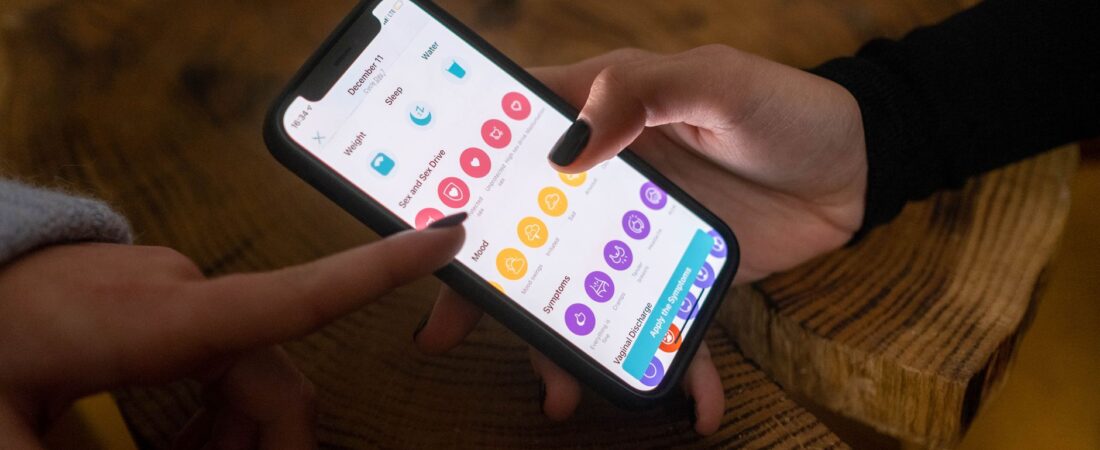
A wellness app in Australia doesn’t need to count your steps to help you move more, it just needs to fit around the life you’re already living. That’s the bit most apps get backwards. They hand you a target (10,000 steps, three gym sessions, a closed ring) and then quietly make you feel like you’ve come up short every time real life gets in the way.
If you’ve ever opened a fitness app, seen the red warning colour, and felt a little spike of guilt before you’ve even had your coffee, you’re not imagining it. That’s the design working exactly as intended. It just isn’t the kind of wellness anyone actually wants.
Here’s Why Step Counting Doesn’t Work for Most People
Step counters were built for pedometers, not people juggling shift work, school pickups, or a body that’s recovering from something. The number itself isn’t the problem, it’s what it does to your head. Research on activity trackers has found that constant number-watching can actually increase anxiety around movement rather than motivation, because it turns something that should feel good into another box to tick. The Australian Institute of Health and Welfare’s own physical activity guidelines don’t mention step counts at all. They talk about moving your body most days in ways that suit you, which is a very different message to a watch buzzing at you for falling short.
There’s also the comparison trap. Wellness apps love leaderboards and streaks because they keep you opening the app, not because they help you feel better about your body. When your only feedback is a number that resets to zero every midnight, there’s no room for the fact that you had four hours of sleep, a big work deadline, or a toddler who didn’t nap. Life isn’t linear, so why should the tool that’s supposed to support it be so rigid?
What to Do Instead of Chasing a Step Count
Start by asking a different question. Not