
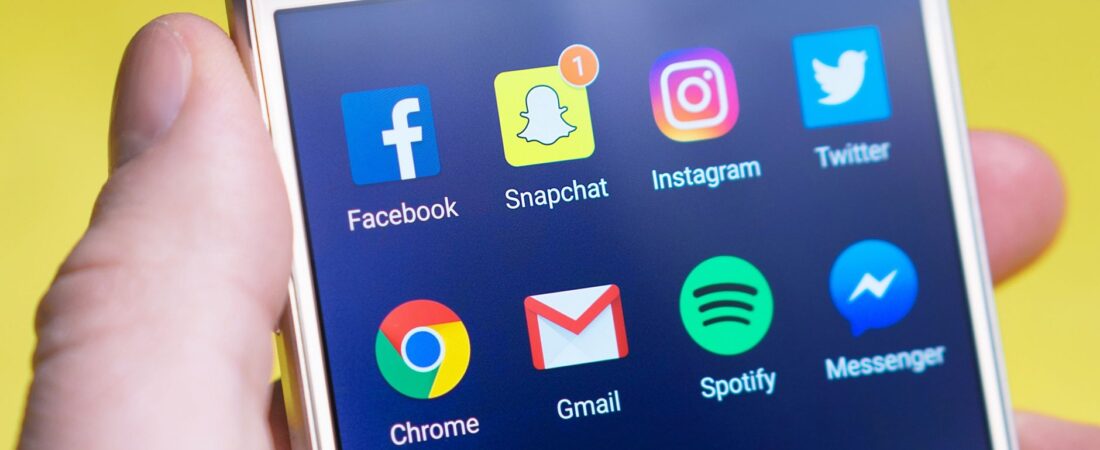
The comparison trap social media creates is simple: you scroll through people’s highlight reels, edited photos, big announcements, curated wins, then quietly measure your normal Tuesday against it, and it never feels fair because it isn’t. That gap between someone’s polished feed and your actual, ordinary life is exactly why a 2am scroll can leave you feeling worse than when you started, even though nothing bad actually happened. If you’ve ever put your phone down feeling oddly hollow, like everyone else got some memo about adulting that you missed, this one’s for you.
Why the Comparison Trap Social Media Creates Feels So Personal
It’s not just you, and it’s not a coincidence. Feeds are built to show you the best five seconds of someone’s week: the promotion, the renovation, the holiday, the “we bought a house” post. You’re comparing your behind-the-scenes to their highlight reel, and the maths was never going to work out. An experiment out of the University of Pennsylvania found that cutting social media use back to about 30 minutes a day noticeably eased feelings of loneliness and comparison within a few weeks, which says a lot about how much of this feeling is being manufactured by the scrolling itself, not by your life actually falling behind.
It shows up everywhere. You see a friend’s new car and suddenly your budget feels tight, even though you haven’t spent a cent differently. You see someone’s 5am gym selfie and feel guilty about the walk you didn’t do. You see a uni friend “living their best life” overseas and wonder if you took a wrong turn somewhere. None of this is actually about the other person. It’s the story your brain builds late at night when it’s tired, unguarded, and has nothing but a highlight reel to compare itself against.
The Late Night Version of the Comparison Trap
This trap gets worse after dark. During the day you’ve got context, work, chores, conversations, all the little things that remind you life is more than a feed. At night, scrolling in bed, it’s just you and the highlight reel, and your guard is down. That’s part of why doomscrolling tends to hit harder before bed than it does at lunch. It’s not really about the content anymore, it’s about being tired, alone with your phone, and comparing your unfiltered reality to everyone else’s edited one.
It also bleeds into whatever you’re already a bit unsure about. If you’re quietly wondering whether your career is on track, a scroll through everyone’s job promotions makes that wondering louder. If money’s been tight lately, someone else’s overseas trip lands differently than it would if you weren’t already stressed about it. The comparison trap doesn’t create the worry, it just finds the worry you already had and turns the volume up.
What Actually Helps When the Comparison Trap Social Media Sets Off
You don’t need to delete every app or swear off your phone forever. Small, doable changes tend to stick better than big dramatic ones anyway.
Start by noticing which accounts leave you feeling worse after you look at them, not which ones you “should” unfollow. Mute or unfollow those quietly, no explanation needed. You’re allowed to curate what lands in your feed the same way you’d curate anything else in your life. The eSafety Commissioner has genuinely useful guidance on doing this without feeling like you’re overreacting.
If it’s money comparisons getting to you, it can genuinely help to look at where your own money is actually going rather than where you imagine everyone else’s is going. Once your own numbers are laid out clearly, other people’s holidays and renovations stop feeling like a scoreboard, because you’re focused on your own picture instead of a guess about theirs. Sitting down with a proper look at where your money actually goes tends to be far more settling than another scroll through someone’s reveal post.
If the feeling of being “behind” is more about career or life direction than money, it helps to remember almost everyone quietly feels this way at some point, they just don’t post about it. That wobble is common enough to have a name, and reading about it is oddly reassuring: the quarter-life crisis nobody warned you about is a good reminder that the people who “have it figured out” mostly just have a good filter.
And if it’s the late-night scroll itself doing the damage, try leaving your phone somewhere else in the room before bed, not off, just out of arm’s reach. A five minute wind-down, some quiet time to actually think through your day, or opening a different app instead makes the habit easier to shift without white-knuckling it.
Give Your Feed Something Better to Show You
eaase’s Read feed swaps the comparison spiral for content that’s actually good to land on: science, good news, psychology, life tips, no outrage, no algorithm built to make you feel like you’re missing out. It learns what genuinely interests you over time, so scrolling starts feeling like something you chose rather than something that chose you. It’ll be free to download if you want to pre-register.