
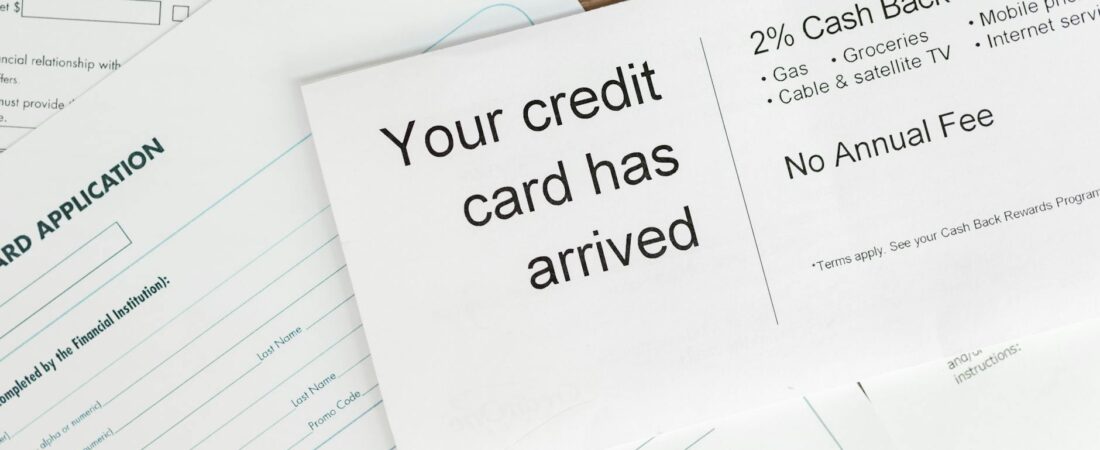
Hidden fees on your bank statement are unexpected charges that banks add without clearly explaining them upfront, often appearing as vague line items that can cost you hundreds each year.
These charges have become more common as banks look for revenue beyond traditional account fees, and they are designed to slip past unnoticed in the maze of your monthly statement.
Why Hidden Bank Fees Are Getting Worse
Banks have gotten creative about fee structures, especially as competition has heated up for basic banking services. What used to be straightforward monthly account fees have been replaced by dozens of smaller charges that add up quickly. The language they use doesn’t help either. Instead of “fee for using another bank’s ATM twice,” you’ll see “foreign exchange adjustment” or “transaction processing charge.”
Australian banks collected over $4 billion in fees last year, and a significant chunk came from charges that customers didn’t see coming. The shift towards digital banking has made this worse, not better. Without a human teller explaining costs, these fees just appear on your statement with cryptic descriptions.
Common Hidden Fees Bank Statement Red Flags
Look for charges that appear regularly but don’t match your memory of actual transactions. Monthly “account keeping fees” that weren’t mentioned when you opened the account are common culprits. So are “paper statement fees” that started appearing after you’d been getting statements by mail for years.
International transaction fees catch people constantly. Even online purchases from overseas retailers trigger these, sometimes multiple fees for a single purchase. PayPal transactions, Spotify subscriptions, or buying something from Amazon US can all generate hidden international fees.
ATM fees have layers now. There’s the fee from the ATM owner, plus your bank’s fee for using someone else’s machine, plus sometimes a “cash advance fee” if the transaction gets processed strangely. One withdrawal can generate three separate charges.
Watch for “dishonour fees” or “insufficient funds charges” that appear even when your account wasn’t actually overdrawn. Sometimes these trigger when pending transactions create a temporary shortage, even if you had money by the time the payment actually went through.
How to Actually Find These Charges
Download three months of statements and spread them out. Don’t try to review them on your phone screen where details get lost. Print them if you need to, or use a big screen where you can see everything clearly.
Go through each statement line by line with a highlighter. Mark anything you don’t immediately recognise or that seems larger than expected. Include those $2-5 charges that seem too small to matter. They add up to real money over a year.
Group similar charges together. If you see “INTL TRANS FEE” appearing regularly, add up what it’s costing you monthly. Same with any recurring fees that don’t match services you remember signing up for.
Call your bank about anything unclear, but be prepared for unhelpful responses. Have the specific statement dates and transaction descriptions ready. Don’t accept “that’s just how we do things” as an answer. Ask them to explain exactly what service each fee covers.
If you’ve been tracking where your money goes each month, you’ll already have a head start on spotting these patterns. Understanding your spending habits makes it easier to notice when charges don’t match your actual behaviour.
Getting Your Money Back
Banks will often reverse fees if you ask, especially if you’re a long-term customer or if the fee wasn’t clearly explained. Start with a polite phone call pointing out specific charges and asking for an explanation. If they can’t justify it clearly, ask for a refund.
For systematic problems like ongoing international transaction fees you didn’t know about, ask them to review the last six months and refund similar charges. Many banks have policies allowing fee reversals for first-time occurrences or when customers weren’t properly informed.
Document everything. Keep notes of who you spoke to, when, and what they promised. If phone calls don’t work, try the online complaint systems. Banks take written complaints more seriously than phone calls.
Consider switching banks if your current one is fee-heavy. Many online banks offer genuinely fee-free accounts, and the big four banks all have basic accounts with minimal fees if you meet certain conditions.
The truth is, spotting these charges requires the kind of detailed statement review that most of us avoid because it’s tedious and stressful. Starting with basic budgeting habits can make this process less overwhelming, and regular money check-ins help you catch problems sooner.
eaase’s budget tool analyses your bank statements automatically and flags unusual or recurring charges, including those sneaky fees that banks hope you won’t notice. You upload a bank statement file, and it categorises everything and highlights patterns that might be costing you money. It’ll be free to download if you want to pre-register.